Wow! Here’s the thing. Tangem-style card wallets are one of those products that make you pause. Really? Yep—seriously. They look like a credit card, but they hold private keys in a tamper-resistant chip, and that simple form factor changes how a lot of people think about cold storage.
At first glance a card wallet seems almost too small to matter. Hmm… but the convenience is hard to ignore. Many users report that having a single NFC card that pairs with a phone is less fiddly than seed phrases on paper or multisig devices spread across drawers. Initially I thought physical cards were a gimmick, but then the usability arguments started piling up—easy backups, durable form factor, and lower friction for everyday crypto interactions, though there are trade-offs and limits to be aware of.
Card wallets are not a panacea. My instinct said: pay attention to threat models first. On one hand, a hardware card reduces attack surface by keeping keys off the internet; on the other hand, losing a card or trusting a single manufacturer introduces different risks. Actually, wait—let me rephrase that: cards are best when they complement a broader strategy, not replace it entirely.
Why a Tangem-style Card Wallet Makes Sense
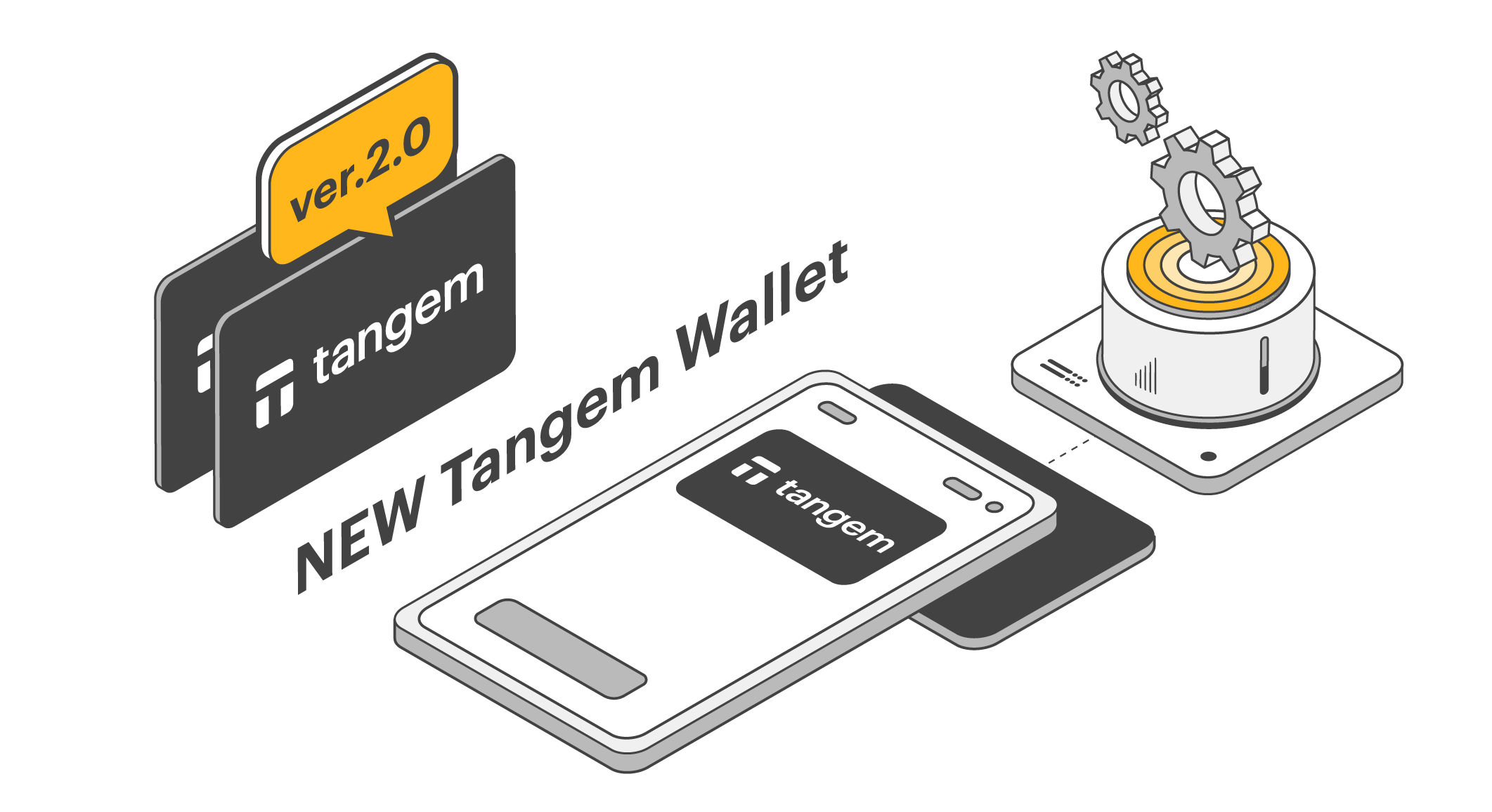
Check this out—card wallets combine cold storage principles with near-instant access. For people who want air-gapped private keys yet still need fast transactions, card wallets offer a middle ground. Tangem and similar solutions embed keys inside secure elements and use NFC to sign transactions, which means the private key never leaves the chip. That architecture maps well to real-world use: you tap, sign, done. It’s elegant, but not magic.
Security matters. The chip resists extraction and tampering in ways a plain microSD or paper seed does not. Yet nothing is invulnerable; there are firmware, supply-chain, and user-behavior dimensions. So you have to ask: who are you defending against? For casual holders or those wanting a resilient backup, the card is very appealing. For billion-dollar custody, you’d layer more protections.
Cold Storage: Not One Thing, But a Choice
Cold storage usually means private keys kept offline. Simple. But real world choices complicate that definition. A Tangem-like card keeps keys offline during storage, yet it’s still designed for active use—like a bridge between cold and hot wallets. That hybrid nature is what sells it for many folks. It’s especially useful when you want secure signing without lugging a bulky dongle or a laptop to every transaction.
There are practical quirks. Cards can be single-point-of-failure if you only own one. Backups are different too: you buy multiple cards, or you split keys across devices (shamir-esque approaches), or you maintain a conventional seed as a fallback. (Oh, and by the way…) Not everyone likes multiple cards in their wallet. I get that. I’m biased toward redundancy, but some people value simplicity very very highly—trade-offs, right?
How Tangem Wallet Fits Into This
The tangem wallet product line and ecosystem make these cards accessible to non-experts. User interfaces on mobile apps let people mint wallets, manage balances, and sign transactions without typing long mnemonic phrases. For readers wanting a direct source, check out tangem wallet for official docs and purchase paths. That link covers model differences and the company’s security papers, which are useful if you want to dig deeper.
Design choices are pragmatic. Cards are robust, often waterproof and pocket-proof, and they behave like normal payment cards in your wallet. Seriously? Yes—except instead of a magnetic stripe, there’s a secure element working quietly. The UX trade-off is that complex multisig setups and certain advanced wallet features may be harder to implement purely on-card, so power users sometimes combine cards with other hardware.
Threat Models and Practical Tips
Think about who you’re protecting against first. Theft, coercion, malware, or nation-state actors each require different responses. Short sentence. For casual theft, a single card stored securely (and maybe a passphrase-protected wallet) is fine. For coercion or advanced attackers, a single consumer card is insufficient; consider distributed custody or multisig with geographically separated signers.
Get practical: store at least two cards in separate secure locations, test recovery workflows periodically, and keep firmware updated if the vendor releases security patches. Hmm… this is important: always confirm the card’s authenticity at purchase. Supply-chain attacks are rare, but they happen. Buy from trusted retailers or the manufacturer directly, and don’t buy used cards—ever.
Also, document your long-term recovery plan. Who will be able to access funds if you become incapacitated? Legal and inheritance considerations are often neglected. I’m not a lawyer, but many users overlook this step. Seriously, it matters more than an extra 1% of yield.
Usability vs. Absolute Security
Here’s what bugs me about some discussions: people frame security as binary. It’s not. There’s a spectrum. Card wallets tilt towards usability without throwing away core cold-storage properties. They are especially strong for mobile-native users who want to keep keys off cloud backups and avoid typing seed phrases in public.
There are operational pitfalls too: contactless signing is convenient, but make sure your signing app shows full transaction details, addresses, and amounts—don’t blindly tap. Some wallets abbreviate data for screen space, which can hide malicious tweaks. On one hand, a slick mobile UX increases adoption; on the other hand, those same shortcuts open room for social-engineering tricks. Balance matters.
FAQ
Is a Tangem card the same as cold storage?
Short answer: mostly yes. The card keeps private keys offline in a secure element, which is the core of cold storage. Longer answer: it functions as cold storage for normal threat models, but real “coldest” methods (air-gapped, physically isolated, multisig with split keys) are still preferable for very high-value holdings.
What happens if I lose the card?
If you have only one card and no backup, you risk losing funds. If you planned properly—multiple cards, seeds, or a recovery plan—you can restore access. Test your recovery steps before you need them. That’s advice you hear often because it’s true.
Can these cards be cloned or hacked?
The secure elements are designed to resist cloning and key extraction. While nothing is 100% invulnerable, cloning a properly implemented secure element is extremely difficult. Most compromises come from social engineering, compromised apps, or bad operational practices.
Okay, so check this out—cards won’t replace multisig or institutional custody for everyone. They will, however, lower the bar for secure self-custody for many people. For mobile-first users who want a strong, portable cold-storage option, Tangem-style cards are a compelling entry. I’m not 100% sure they’ll be the long-term dominant form, but they make a lot of sense right now, and they deserve a place in many people’s crypto toolkits.